For World Earth Day, MANGO member Newton (he/him) calls on his community to get involved in climate action and connect with nature.
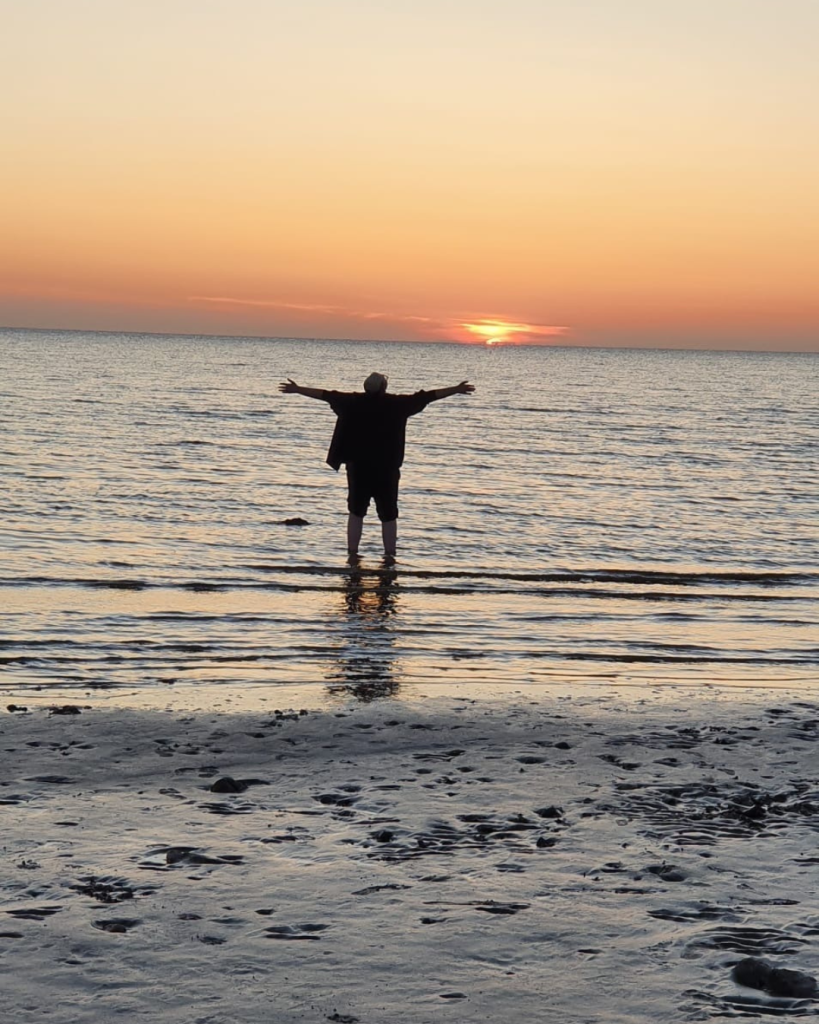
Nature saved me. I’m not saying that in any sort of metaphorical way, but in a literal sense. It provided me with solid ground to walk on and fresh air to breathe. I felt capable to walk that rocky trail and I didn’t have time to overthink if my face or body looked a certain way because I was way too determined to see the water’s edge. I smiled the entire time; I was the happiest I could ever remember.
After coming out at an early age, I received a lot of bullying both inside and outside of school as well as on social media, I started to isolate myself from my family and lost all my lifelong friends because I felt ashamed. I fell into a very deep depression that lasted what felt like an entire lifetime. And I know I am not alone, most if not all the trans people that I know and have now become friends with have struggled in one way or another with depression and anxiety.
It is easy to become caught up in recent negative news like the ban on puberty blockers or the paused PATHWAYS trial and to feel anxious for the next headline with trans people’s lives in question. According to recent research, trans people aged 17-19 are more than three times as likely to have a mental health disorder than our non-trans counterparts. We are experiencing an absolute mental health crisis. We must come together as a community to lift each other up and help each other see new perspectives, but especially so we can share our joyful moments with each other.
I, as a nature loving nerd, want my community to connect with the earth around them. I’ve found myself thinking about how a lot of us don’t have access to green spaces or simply don’t want to connect with nature, and that could be for any number of valid reasons.
Nature can help people in some of the worst moments. A report by the Mental Health Foundation states that almost half of UK adults said being close to nature helps them to deal with stress. One of Mermaids’ Youth Advisory Panel members, Noah (he/him), told me, “I went camping with a trans organisation a few years ago and it was so lovely to be outside all the time” and that he would “100%” recommend the Gendered Intelligence camps to young trans people, especially as they “cater to very young ages, which I think is so important to have”.
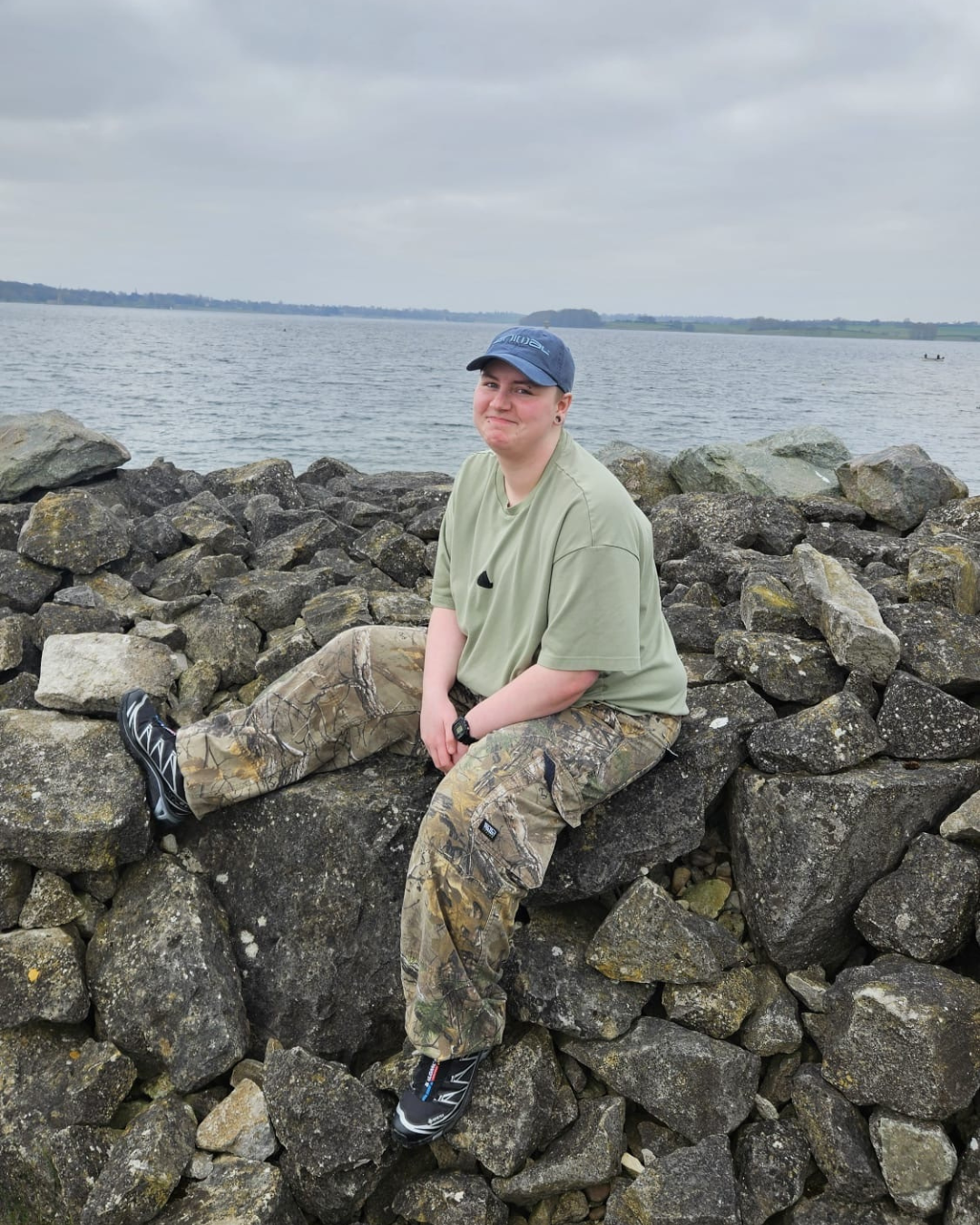
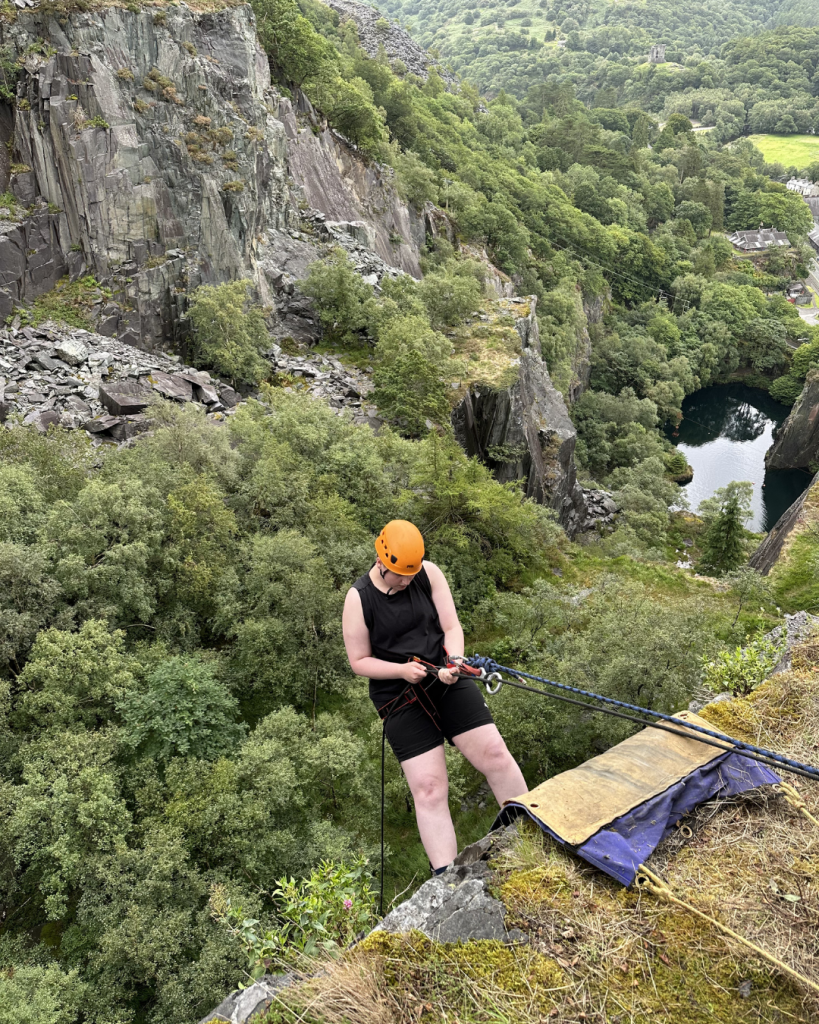
There is a large disparity between people that can access green spaces and those who can’t, for any number of reasons. For example, you may be living in a large city, don’t have access to reliable public transport, are a wheelchair or mobility aid user. Luckily a lot of UK cities do have their own nature reserves and parks, you just may not know about them, so I really recommend that people search online for local green clubs or community volunteering spaces.
It is unfortunately true that a lot of nature reserves or parks are not physically accessible. Another YAP member, Oakley (they/he/it), has experienced this, sharing that, “I think the biggest issue can be accessibility for physical disabilities. I struggle to walk long distances and to stand for long periods of time, finding myself unable to participate in trans+ hiking activities.”.
The term Eco-Ableism was coined by Dr. Gregor Wolbring in 2012, and it highlights the connection between the climate movement and accessibility for disabled people. Eco-Ableism is used to describe the ableism that forms within environmental movements, such as transportation and exclusion in natural spaces.
I also asked Oakley if they felt he would benefit from trans-focused opportunities in nature, “I wish there was more nature-based activities for trans people. Nature gives us an opportunity to focus on something different, and makes it seem that we can create a bubble where life is exactly what we want it to be for a while.” and that “I would love to see things move towards nature-based activities that don’t require near perfect physical health.”
I believe that the Personal is Political and I see a link between classism and a lack of green spaces in marginalised communities. The British Ecological Society have also raised questions upon this topic and they have even proposed some ideas that may help combat these issues such as affordable public transport or creating inclusive spaces.
Urban planning typically ignores the importance of green spaces, and this can create an unfamiliarity between local communities and outdoor recreation which leads to lack of understanding regarding the significance of nature; locals must be involved in the planning and design of their proposed neighbourhood green spaces in order to create a space that will serve the entire community’s needs and requirements. Frequent commuting to green spaces from urban communities can become costly, especially to low-income families, and is not financially stable for most people, which is another reason why affordable or free public transport is needed.
I visualise a connection between environmental justice and trans liberation. The Women of Color Advancing Peace, Security, And Conflict Transformation non-profit has written about the links between systemic racism, human rights violations and climate change. The lack of inclusion of marginalised identities in policymaking affects everyone in the light of protection against climate change, such as LGBT+ houseless people experiencing extreme weather events and low-income families being disproportionally affected by the climate emergency. They have drawn quotes from sources such as the novel The Intersectional Environmentalist: How to Dismantle Systems of Oppression to Protect People + Planet where the author, Leah Thomas, describes the impacts of environmental issues on marginalised communities.
WCAPS mentions the term ‘intersectional’, coined by civil rights activist Kimberlé Williams Crenshaw, and this reminded me that absolutely everything is connected in some way or another and that the history of in-fighting in activist spaces must be addressed and discontinued otherwise we may not achieve the results we so badly want to see.
I asked a third YAP member, Loki (he/him), about natures positive impact on him, to which he said that “It’s a great mindfulness practice for me, to focus on the small elements rather than the larger ones.”.
I want my words to be a call to action for all trans young people to get involved in climate action, especially since our community cannot access nature if we do not collectively pressure governments to cease further destruction of wild spaces and continue to protect what biodiversity we do have.
This is a question for those in power: how are we supposed to be able to improve our mental health in nature if we are terrified of climate change?
A great way for all of us to get out into nature is through physical activity. By signing up to the Miles for Mermaids challenge, you can help to improve the lives of trans young people across the UK by running, hiking, biking in green spaces or even just walking or wheeling around your local area. This is a great opportunity for our cisgender allies to show real solidarity and action for the benefit of our community and raise vital funds for Mermaids’ essential services.